Tracing Player Journeys Through Pay-by-Phone Bill Mechanics in Emerging Mobile Casino Ecosystems
Carlo Coleman · Aug 24, 2026
Tracing Player Journeys Through Pay-by-Phone Bill Mechanics in Emerging Mobile Casino Ecosystems
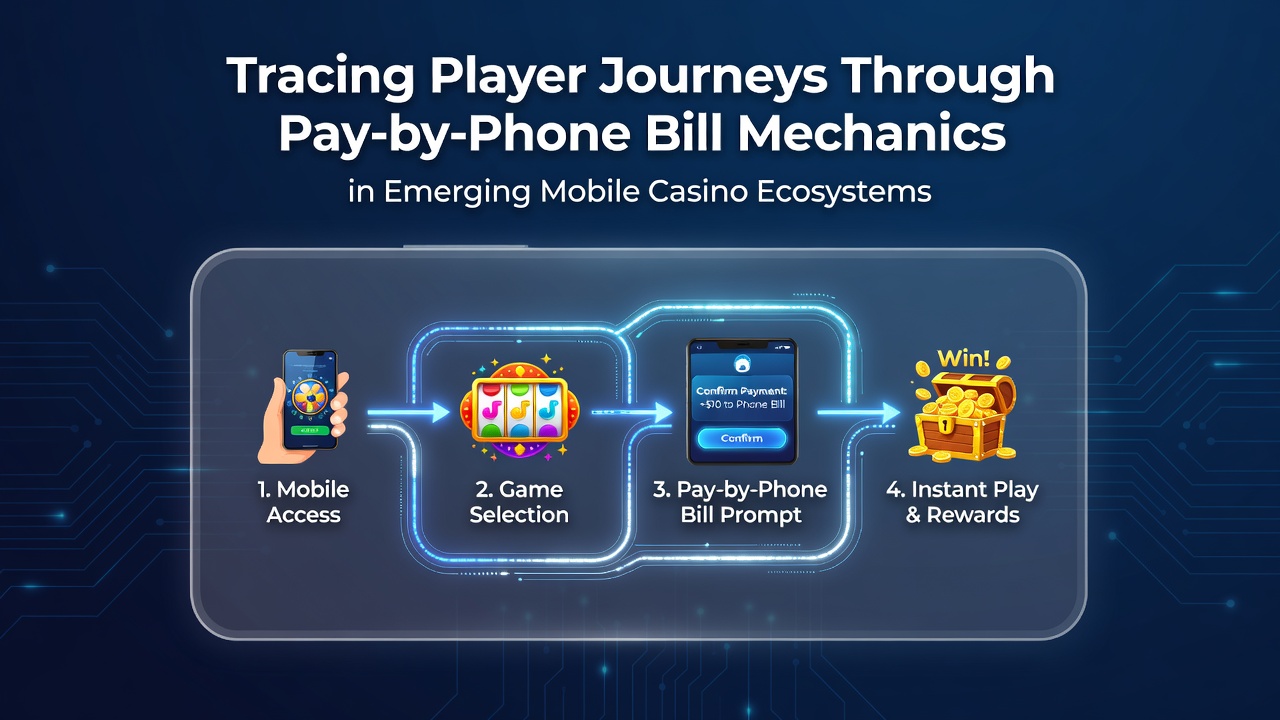
Emerging mobile casino ecosystems rely on pay-by-phone bill mechanics to connect players with deposit options that bypass traditional banking channels, and data from 2026 shows increased adoption rates across regions with high mobile penetration. Operators integrate carrier billing systems that charge deposits directly to monthly phone statements, which creates seamless entry points for users in markets where credit cards remain less common. Researchers tracking these flows note that player journeys often begin with app downloads followed by immediate verification through mobile network authentication.
Core Mechanics of Pay-by-Phone Billing
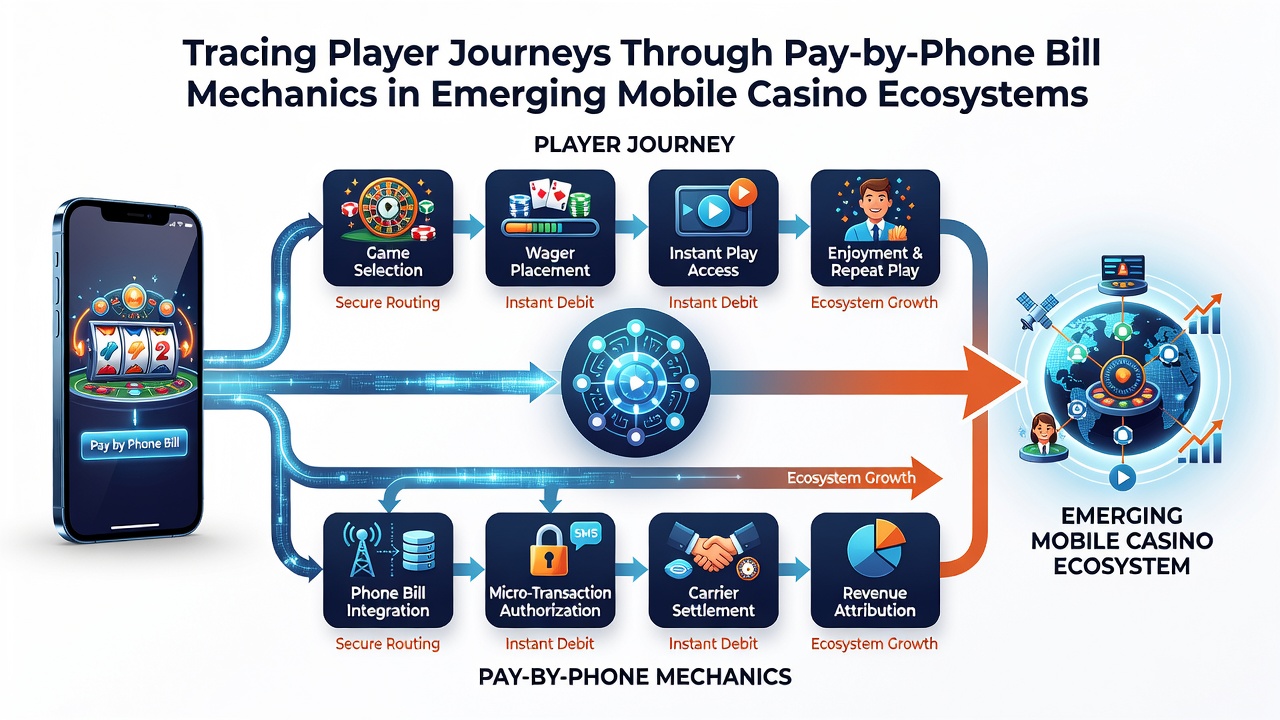
Pay-by-phone systems authenticate users via SMS codes or carrier APIs, then deduct funds without requiring separate financial accounts, and studies from the International Telecommunication Union indicate that over 65 percent of mobile users in Southeast Asia and parts of Africa prefer this method for digital transactions. The process routes payments through secure gateways that comply with local telecom regulations, which allows casinos to accept micro-deposits starting as low as a few dollars. Observers note that transaction logs generated during these steps provide detailed timestamps that map each stage of engagement from signup to first wager.
Security protocols embed device fingerprinting alongside carrier confirmation, and this combination reduces fraud while preserving speed. Figures from August 2026 reveal that average session times extend when players avoid payment interruptions, which in turn increases the volume of tracked journeys through bonus activation and game selection phases.
Player Journey Stages in Mobile Ecosystems
Initial discovery typically occurs through app stores or affiliate links, after which users land on registration screens that request phone numbers for verification. Once approved, the pay-by-phone option appears prominently in deposit menus, and data shows that conversion rates climb when interfaces highlight instant processing. Players then proceed to game lobbies where real-time balance updates reflect phone bill deductions, creating continuous feedback loops that guide further activity.
Subsequent stages involve responsible play tools such as session limits tied to billing history, and researchers have mapped how these features intersect with journey progression. In many cases, users who complete deposits via phone bills return more frequently within the first week, according to aggregated operator analytics released in mid-2026. This pattern holds across both established and newer platforms operating in Latin American and Asian corridors.
Data Tracking and Ecosystem Insights
Analytics platforms capture each touchpoint by linking carrier transaction IDs to unique player profiles, which produces granular heat maps of navigation behavior. Reports compiled by the Malta Gaming Authority highlight that ecosystems adopting these mechanics experience measurable growth in repeat deposits when journey analytics inform interface tweaks. The resulting datasets allow operators to identify drop-off points, such as confirmation delays or unclear fee disclosures, and adjust accordingly.
Cross-border variations appear when regulatory frameworks differ, yet core mechanics remain consistent enough for comparative studies. In August 2026, industry reports documented expanded testing of multi-currency phone billing in hybrid ecosystems that blend social and real-money play. These tests generate additional layers of journey data that researchers continue to analyze for patterns in engagement duration and spending velocity.
Regulatory and Technical Considerations
Compliance requirements mandate clear disclosure of billing terms before any charge occurs, and carriers enforce caps that prevent excessive accumulation on single accounts. European Commission guidelines on electronic payments influence how operators structure these flows in overlapping jurisdictions, while similar standards emerge in other regulatory zones. Technical integrations rely on standardized APIs that ensure compatibility across diverse mobile networks, reducing friction for players moving between devices.
Observers have recorded that ecosystems incorporating these safeguards maintain higher retention metrics through the first thirty days of activity. Journey tracing tools further support audit trails required for licensing renewals, which demonstrates how technical and regulatory elements converge around player pathways.
Conclusion
Tracing player journeys through pay-by-phone bill mechanics reveals structured pathways shaped by authentication speed, regulatory alignment, and data feedback. As mobile casino ecosystems expand in 2026, the integration of carrier billing continues to generate detailed records that inform both operational adjustments and compliance frameworks. The combination of technical precision and regional adaptation sustains measurable progression from initial deposit to sustained engagement across multiple markets.